
 100,000+ lines in Stock
  ISO 9001
  Next Day Delivery
  4.6 Customer Rating

Back-Up O-rings
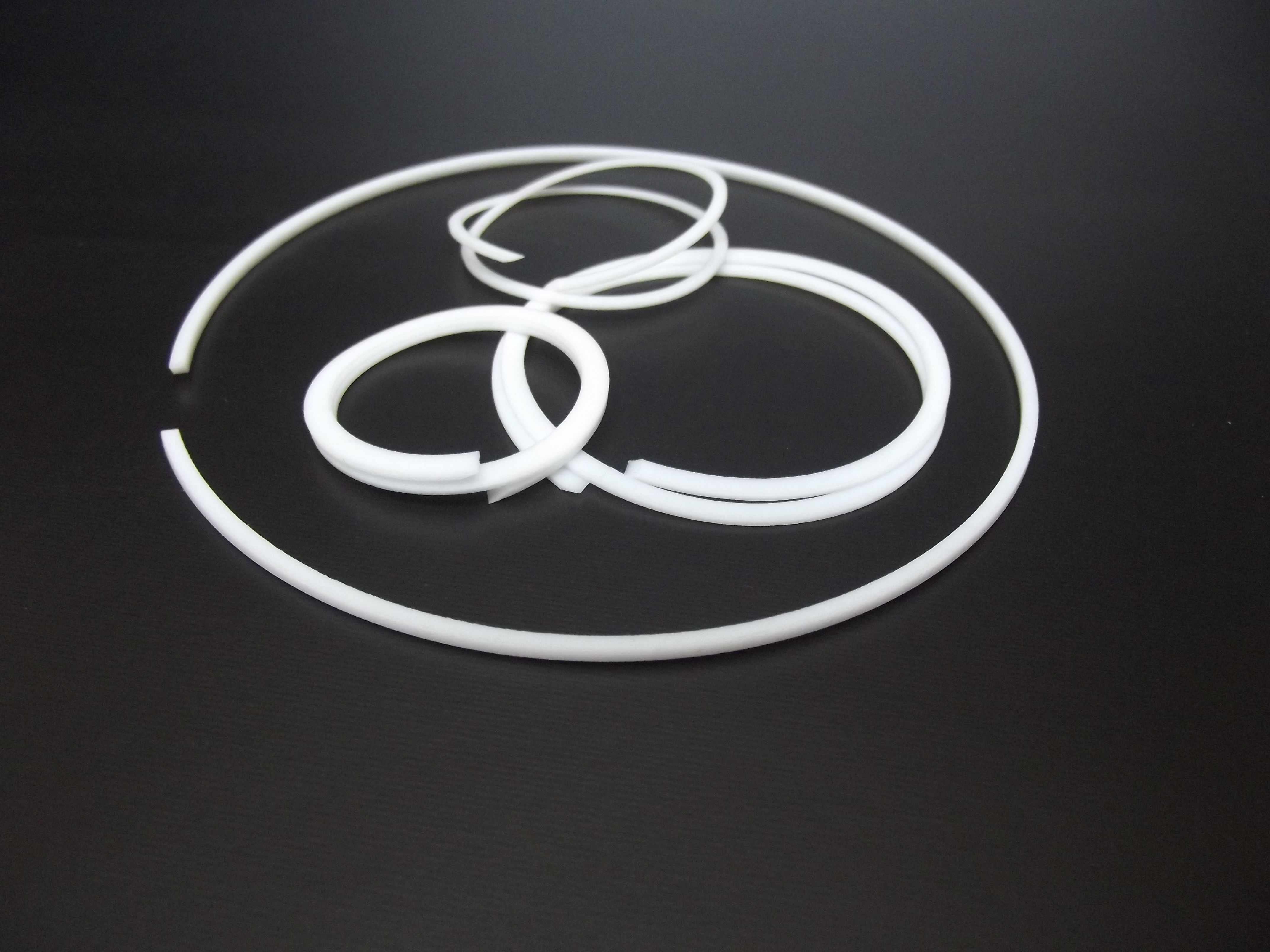
What are Back-up O-Rings?
A back-up O-ring is a type of sealing component designed to protect primary O-rings from extrusion and deformation under high-pressure conditions. Typically, backup rings are used in systems where the primary O-ring might otherwise fail due to high pressure, temperature fluctuations, or harsh environments.
In simple terms, a back-up O-ring is like a safety net that reinforces the main seal, ensuring it maintains its integrity over time.
These O-rings are often placed behind the primary O-ring in the groove, providing added support without interfering with the sealing function.
Click here to contact our specialist O-ring team for more information & check availability. Alternatively call
+44 (0) 1420 474123
The Function of Backup O-Rings
The primary function of a backup O-ring is to prevent the main O-ring from being pushed out of its groove during high-pressure operations.
In high pressure applications, the elastomeric material of the dominant O-ring can become deformed or extruded, potentially leading to leakage.
By placing a backup ring behind the main seal—either one or two, depending on the direction of pressure—the system reduces the risk of extrusion and extends the life of the main o-ring.
The most commonly used materials for manufacturing back-up rings are NBR (Nitrile Butadiene Rubber) and PTFE (Polytetrafluoroethylene). These rings can feature either a flat or contoured profile, and are generally constructed from a material that is harder than the O-ring they are designed to protect, ensuring resistance to the high pressures and forces at play. NBR backup rings typically have a Shore hardness of 90-95 ShA, while PTFE variants usually range between 50-60 ShD.
In addition to their hardness, back-up rings provide excellent structural stability, safeguarding the chief seal from extreme operating conditions such as high temperatures, elevated pressures, and wear. Their role in maintaining seal integrity under harsh conditions is crucial for preventing leakage and extending the service life of sealing o-ring.

Main Applications for Back Up O-rings
Hydraulic Systems
Hydraulic systems rely on O-rings to seal high-pressure fluid systems. In such applications, backup rings provide extra protection against extrusion in the event of high pressure. Backup O-rings are commonly used in hydraulic cylinders, valves, and pumps, ensuring that the system operates smoothly without fluid leaks.
Industrial Equipment
Back-up rings are used in various types of industrial equipment, including compressors, pneumatic actuators, and machine tools. These applications often involve high pressures and demanding environments where back-up rings provide critical reinforcement to primary seals.
Aerospace
In the aerospace industry, back-up rings are used in critical systems such as fuel lines, pneumatic seals, and hydraulic actuators. Given the high-altitude pressures and temperature extremes, back-up rings help ensure the reliability of seals in aerospace applications.
Oil and Gas
The oil and gas industry involves extreme conditions, with high-pressure drilling equipment and pumping systems regularly facing challenging environments. Back-up rings are used in valves, seals, and pumps to prevent leakage and failure, maintaining the integrity of the equipment in harsh conditions.
Automotive
In automotive applications, back-up rings are employed in braking systems, air conditioning units, and fuel systems. These seals ensure the reliability of the systems by preventing leaks and ensuring smooth operation even under pressure.
Power Generation
Essential for key components in traditional and renewable energy systems, including turbines ensuring reliability and efficiency
Selection Criteria for Back-up Rings
When selecting a backup O-ring, several factors must be considered to ensure the seal performs optimally in the given application. Below are the primary selection criteria:

Material Compatibility:
Compatibility: The material of the backup O-ring is crucial to its performance. It must be compatible with both the primary O-ring material and the fluid or gas that the system is handling. Common materials for backup O-rings include:
- Nitrile (Buna-N): S
- Viton (FKM): Ideal for high-temperature and chemical-resistant applications.
- Polyurethane
Hardness:
Backup O-rings generally have a higher hardness than primary O-rings.
Chemical Resistance:
It is important to match the O-ring material to the specific substances the system will encounter.
Pressure Rating:
The pressure the system operates under plays a key role in determining the type of backup O-ring required.
Temperature Resistance:
Backup O-rings must be able to withstand both high and low temperatures depending on the application.
Size and Fit:
The backup O-ring must fit precisely into the groove behind the primary O-ring.
Design Type:
- Solid (Uncut) Backup Rings: These are typically made of PTFE and are recommended for higher system pressures.
- Single Turn (Scarf Cut): These rings have a single cut to facilitate installation
- Spiral (Multi-turn): These rings have a spiral cut for easier installation.
- Contoured Backup Rings: These are elastomeric rings (NBR) with a specific shape
CONTACT US
Ready to Learn More About How Polymax Can Support Your Business?
Reach out to us today on +44 (0) 1420 474 123 or email us at sales@polymax.co.uk . Explore our website for more information on our products, services, and quality policy.

Be First To Hear About New Products And Promotions Sign Up To Our Newsletter
Testimonials
“Great Service Great service, Great quality products, Cannot fault them from start to finish”
John Smith
“The service was outstanding delivery arrived next day despite selecting 2 to 4 day delivery. Great product and service. Highly recommend”
Mark Woalks
"A great company, easy to deal with. A rare experience nowadays. Well done"